
THE FOUNDER
I Built the Practice I Wanted for My Own Family.
Tony Mathews, MD, MPH
Founder and Medical Director ○ Columbia-Affiliated Physician
Dual Fellowship Trained ○ Preventive Cardiology ○ Endocrinology.
Quadruple Board Certified ○ Internal Medicine ○ Endocrinology ○ Obesity Medicine ○ Clinical Lipidology
Castle Connolly Top Doctor 2026, Endocrinology, Diabetes & Metabolism
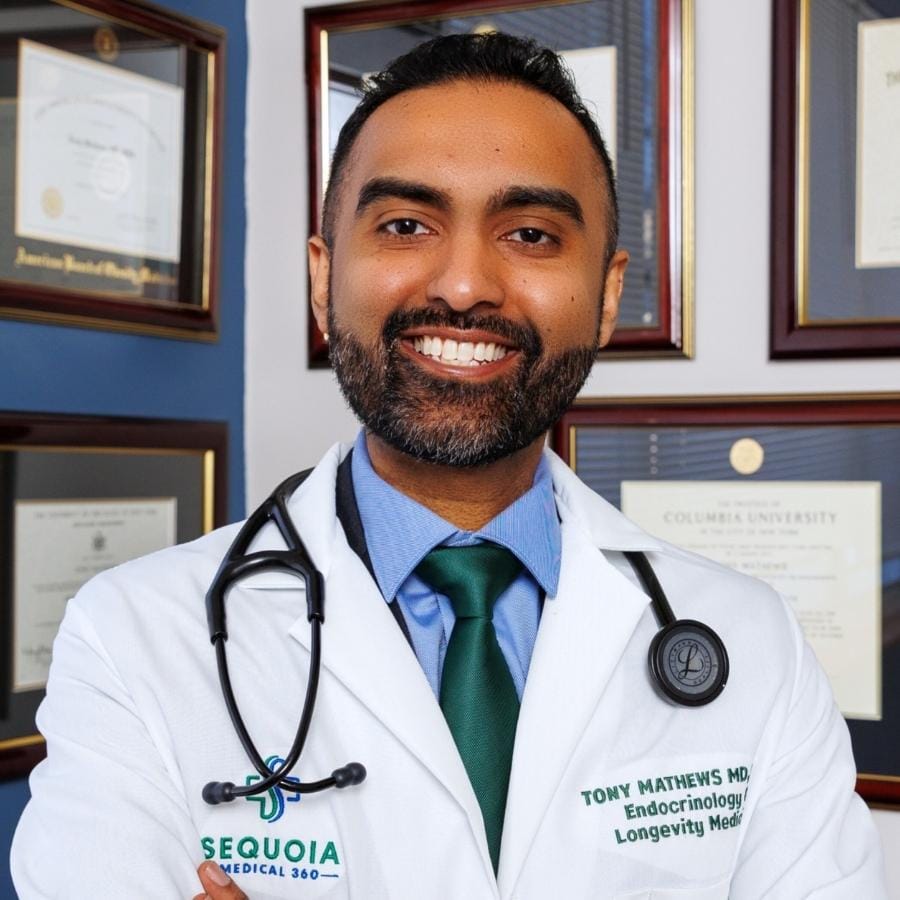
Tony Mathews, MD, MPH
Founder and Medical Director
Sequoia Medical 360 in Bronxville, NY.
Why I Built Sequoia Medical 360
The Call That Changed Everything
The call came unexpectedly. My father had suffered a heart attack. As a medical student, I understood the anatomy and the statistics. But nothing prepares you for watching someone you love become a patient.
He survived. That moment made one thing clear to me: for many people, a crisis is the first sign anyone notices. Heart disease, metabolic illness, and stroke usually build quietly for years before they show themselves. By the time the system responds, much of the chance to prevent them has passed.
It Became Personal
I saw the same pattern in myself.
Years later, during a stretch of long hours and constant stress, I recognized early signs of metabolic risk in my own health. Nothing had gone wrong yet. But the direction was clear, and knowing the medicine wasn’t enough on its own.
What helped is what I now do for members. I looked at metabolism, hormones, and heart risk together, made a plan, and stayed with it month after month. The biggest change came from consistency, not from one breakthrough.
I built Sequoia Medical 360 as a Family Health Office so others could have the same thing. One physician holds the full picture, and the plan gets reviewed and adjusted through the year instead of only after something goes wrong.
Three Lenses That Shape Your Care
Most medical training teaches physicians to look closely at one area. My public health and fellowship training gave me a wider view. The practice is built on three lenses.
1. Public Health: Seeing the Whole System
Most care treats the symptom in front of it. Public health looks upstream, at the conditions that create risk: sleep, stress, nutrition, training, and recovery. I bring that view to every member.
2. Endocrinology: The Metabolic Root
Hormones and metabolism drive energy, body composition, inflammation, and long-term risk. Endocrinology taught me to spot metabolic problems early, often years before standard thresholds are crossed, and to address them while they’re easier to change.
3. Preventive Cardiology: Reducing Risk Before It Shows
Feeling fine is not the same as being low-risk. Preventive cardiology trained me to look past “normal” ranges and to use advanced testing when it’s appropriate. The goal is to find risk early and lower it while there is still time to change its course.
Sequoia was built on one conviction:
Risk builds quietly, over years.
Our work: Find it early. Change it together.
This is why the practice is deliberately limited. Care built for the long view depends on continuity, and continuity comes from depth, not scale.
Good Doctors, Built-In Limits
Conventional healthcare is full of excellent physicians. The problem is the structure around them. Visits are short. Prevention often comes second to whatever is urgent. And the system rewards volume more than the careful synthesis that prevention needs.
I built Sequoia to work the other way. Your record lives in the same Epic system used by Columbia and NewYork-Presbyterian. When I work with your specialists, we share one medical record, and I can reach colleagues across the network directly. That connection is built into how the practice runs. It isn’t added on.
See How It Works →
What we focus on →
Outside The Office
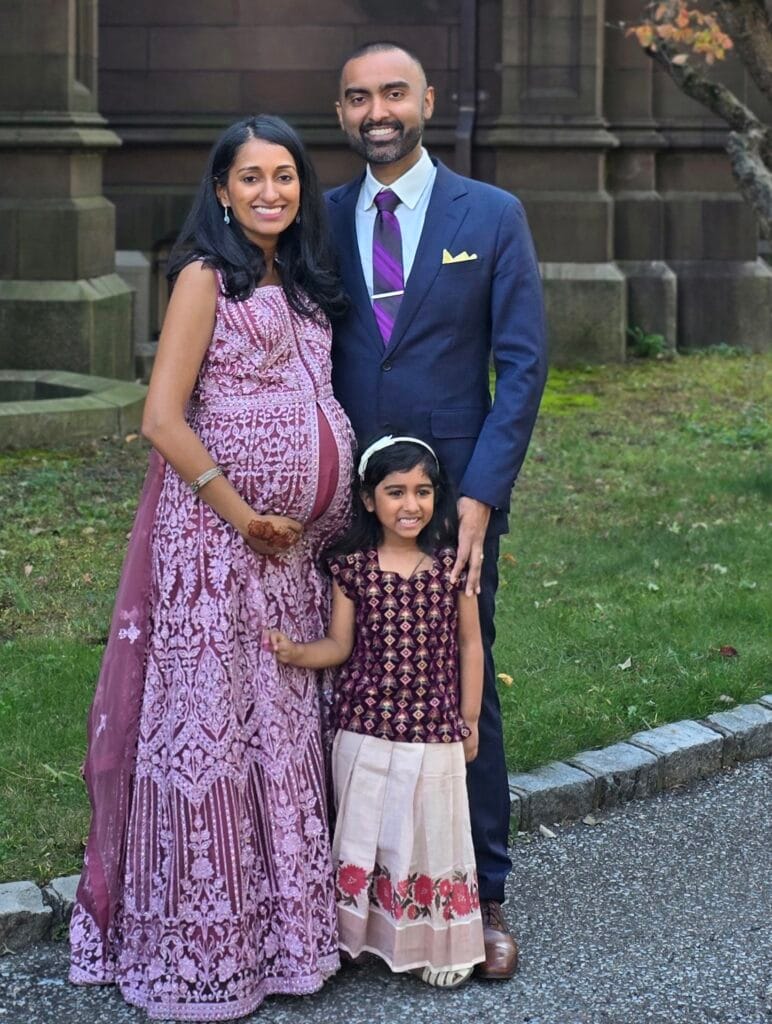
When I’m not practicing medicine, you’ll usually find me:
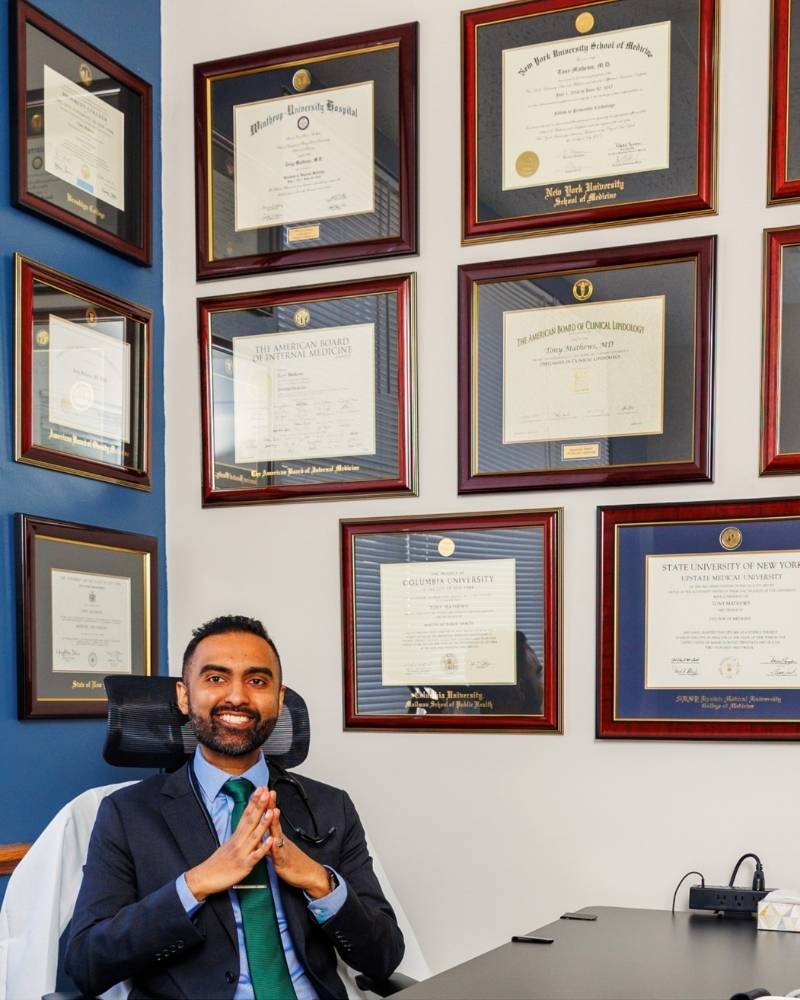
Education & Training
Board Certifications
Board certifications can be confirmed directly with each certifying board.
ABIM ID: 366291
ABOM Diplomate ID: 89994813
ABCL: Diplomate in Clinical Lipidology
Publications & Research
I’ve authored peer-reviewed research and presented nationally on nutrition, endocrinology, preventive cardiology, diabetes management, and metabolic health. The same question runs through that work and through my practice: how to understand risk early and act on it.
I’d Welcome a Conversation
If you want one physician who holds the full picture of your health and your household’s, request an introduction. It’s a short conversation about your goals and whether we’re the right fit for each other.